
Is Rainy Season a Bad Time to Visit Bali? Here's What's Actually True
By Gede Redika · November 20, 2026 · 6 min read
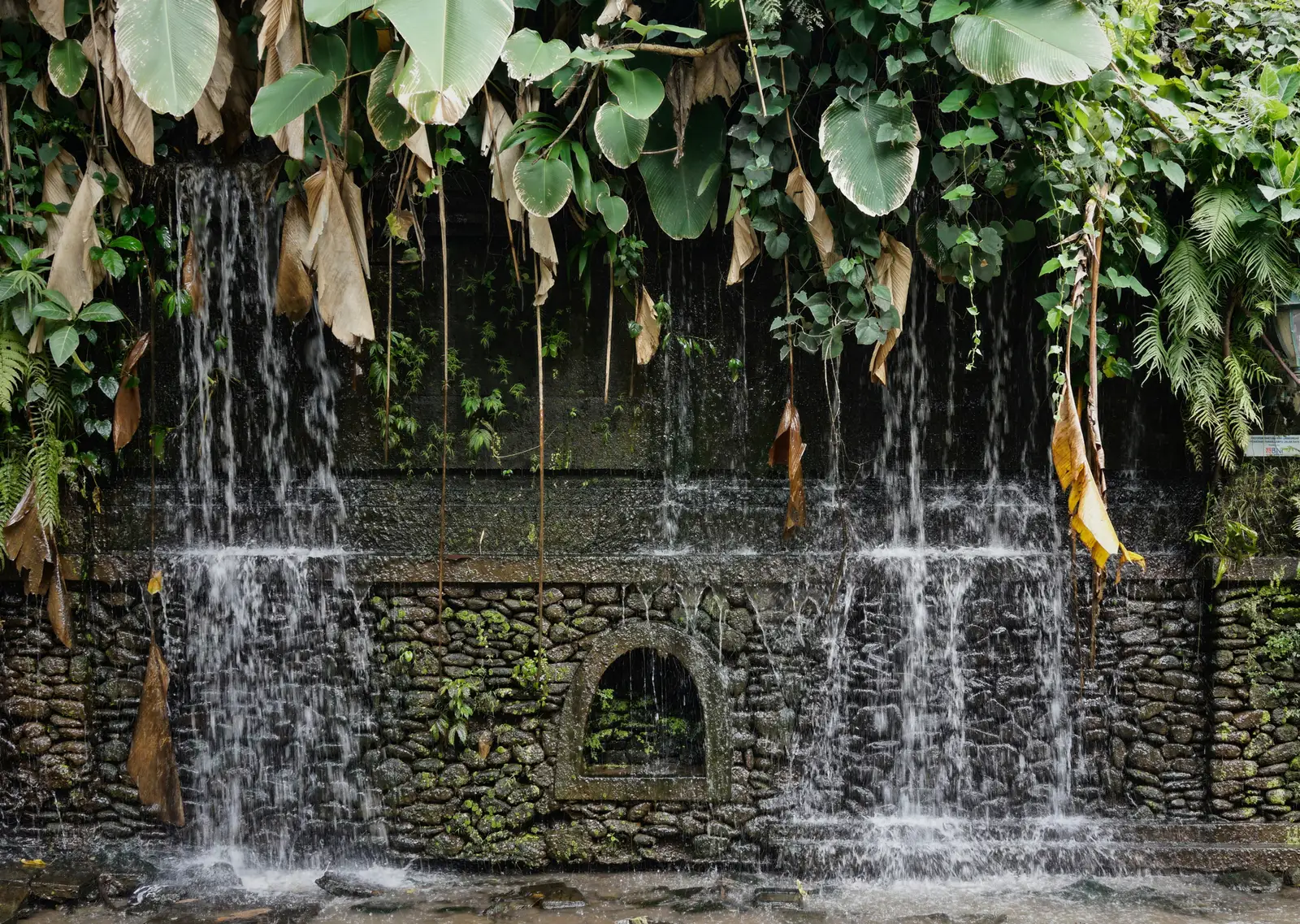
Photo by Niklas Weiss on Unsplash
Bali's rainy season gets a reputation it only partly deserves. Real flooding has happened. Real landslides have closed real roads. None of that means the whole island shuts down for months, and most of what you'll actually experience during a rainy season trip is ordinary Bali weather: a hard downpour for an hour, then sun again by mid-afternoon.
Here's the honest version, not the scary one and not the dismissive one.
What's actually happened
On 9 and 10 September 2025, Bali saw its worst flooding in years. Torrential rain hit seven of the island's nine regencies, and The Jakarta Post reported floodwater up to three meters deep in parts of Denpasar. More than a dozen people died in Bali. Worth noting: this happened in September, outside the rainy season.
On 24 February 2026, after four days of heavy rain and warning-level alerts from Indonesia's meteorological agency, BMKG, the Badung River overflowed at Sidakarya. Denpasar's disaster agency recorded flooding at 33 spots across the city, most of them in Sanur, with water around 30 to 40 cm deep on some streets.
In early March 2026, a flash flood in Buleleng regency in north Bali swept away eight residents. Two were found dead and two were missing.
These are real events, and we're not going to pretend they didn't happen. We'd rather you hear it from us, with the actual dates and places, than from a vague headline that makes it sound like it's happening everywhere, all the time.
What's actually true right now
The airport, hotels, beaches, temples and the vast majority of attractions across Bali operate normally through rainy season. The risk isn't spread evenly across the island. It concentrates in specific places: low-lying neighborhoods near rivers in south Bali during days of heavy rain, and rural upland roads, riverbanks and trails that climb through the hills, which is exactly where trekking and rafting routes run.
That's also why it's worth reading the activity-specific guides if you have one of those planned. We've written in detail about what actually changes on a Mount Batur trek in rainy season. This post is the bigger picture.
When rainy season actually falls
In a normal year, Bali's rainy season runs roughly from November to April. This year it's running late. BMKG forecasts a delayed 2026/2027 season because of a very strong El Niño: only about 15 percent of Bali's seasonal zones start in late November, most of the island follows in December, and the peak is expected in February 2027 (a few areas in January). The season is also expected to be shorter than usual. We've covered this in more detail in Bali's rainy season is running late this year.
In practice, that means November and early December this year are likely to be a lighter, more unpredictable transition, with afternoon downpours rather than all-day rain. January and February are when you're most likely to see the kind of heavy, sustained rain that leads to flooding. But as September 2025 showed, extreme rain can also arrive out of season.
Everyday things worth knowing
A few practical habits make more difference than most guides mention.
Don't drive through standing water at speed, on a scooter or in a car. Flooded sections of road are often deeper than they look, and motorbikes in particular are vulnerable to engine damage if water gets into the intake. Slow down and go around when you can.
Check regional conditions for wherever you're actually headed that day, not just a general Bali forecast. Rain, and the flood risk that comes with it, varies a lot by region and even by valley. A clear morning in Seminyak doesn't tell you much about conditions in Karangasem or Buleleng.
Build a little slack into day trips that involve hill or river routes. Roads in upland areas are the ones most likely to see a landslide closure or delay after heavy rain, and a loose schedule handles that far better than a tight one.
Health: the one extra thing worth planning for
On 7 August 2026, the US CDC issued a Level 2 travel health notice for Zika in Indonesia, after cases were reported in travelers returning from Bali. Bali's health office has said routine surveillance has found no confirmed cases on the island itself. It's a real, currently active notice, and it's worth knowing about rather than ignoring. The CDC advises that pregnant travelers avoid travel to Bali while the notice is in place, because Zika infection during pregnancy can cause birth defects. If you're pregnant or planning to become pregnant, read the CDC's guidance before you book.
For everyone else, the practical version is simple and is the same advice as for any mosquito-borne illness, a risk that ticks up somewhat during rainy season as standing water increases: use a repellent with DEET or picaridin, especially around dawn and dusk, and cover up a little more in the evenings if you're somewhere with standing water nearby. The CDC also advises continuing to prevent mosquito bites for three weeks after you get home.
The honest bottom line
Plenty of people visit Bali during rainy season every year and have a completely normal trip. The incidents above are genuinely real, and they happened in specific places during specific weather, which is exactly why we'd rather point you to what to actually watch for (upland roads, river conditions, a repellent in your bag) than leave you guessing between "it's totally fine" and "don't go."
If you've got a trek planned, start with the activity-specific guide linked above. For everything else, pack a light rain jacket, keep half an eye on the forecast for wherever you're actually headed, and go enjoy Bali.
FAQ
Is it safe to visit Bali during rainy season? Yes, for the vast majority of a trip. Flights, hotels, beaches and major attractions operate normally throughout rainy season. The real risk concentrates in low-lying areas near rivers and on upland roads during and right after heavy rain, not across the island generally.
Has Bali had serious flooding recently? Yes. In September 2025, severe flooding hit Denpasar and most of Bali's regencies, and more than a dozen people died. On 24 February 2026, flooding hit 33 spots in Denpasar, mostly in Sanur. In early March 2026, a flash flood in Buleleng left two people dead and two missing.
When is Bali's rainy season? Usually roughly November through April. For 2026/2027, BMKG forecasts a late start, with most of Bali entering the rainy season in December and the peak in February 2027.
Are flights affected by rainy season in Bali? Rarely, and not by the rainy season itself. Occasional short delays can happen around individual storms, same as almost anywhere, but the airport operates normally through rainy season.
Should I avoid outdoor activities during rainy season? Not avoid, but plan around it. Trekking has its own seasonal considerations, covered in our guide to trekking Mount Batur in rainy season. Beach days, temple visits and most sightseeing are unaffected beyond the usual afternoon shower.
Is there a health risk during rainy season in Bali? The main one worth knowing about is the CDC's Level 2 travel health notice for Zika, issued in August 2026 after cases were found in travelers returning from Bali, alongside a modest rise in mosquito-borne illness risk as standing water increases. Basic repellent use, especially at dawn and dusk, covers most of it. The CDC advises pregnant travelers to avoid travel to Bali while the notice is active.
Message us on WhatsApp if you want help timing a trek, a jeep tour, or anything else around the week's actual forecast rather than a generic rainy season warning.

Founder, Bali Trekking Exploration · Local guide
Gede Redika conceptualized and manages Bali Trekking Exploration. He is native Balinese and fluent in English.
More from this author