
Bali Isn't Just Beaches: Why Your Next Trip Should Include the Mountains
By Gede Redika · October 22, 2026 · 5 min read
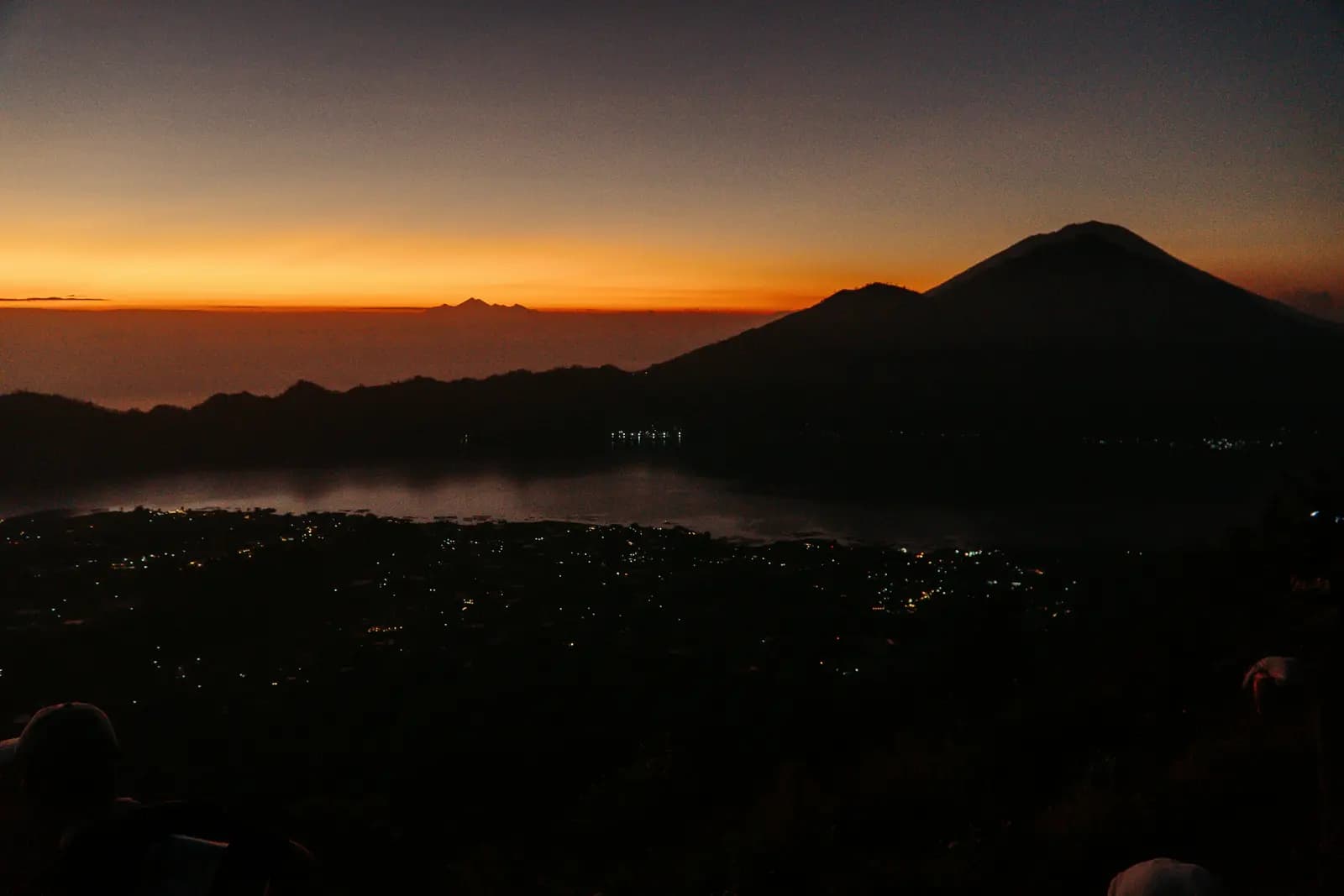
Every week I meet guests who've already done the beach clubs, the sunbeds, the sunset cocktails in Seminyak, and they tell me the same thing: it's beautiful, but it's starting to feel like every other beach trip they've taken anywhere in the world. That's usually the moment they ask what else Bali actually has. My honest answer is that the island spends most of its marketing budget on the coast, but some of the most distinctly Balinese experiences are up in the highlands, not down on the sand.
Bali just had a record year, and travel habits are shifting
Foreign arrivals to Bali reached about 7.05 million by air through December 2025, up roughly 11.3% from 6.33 million the year before, a record high according to provisional BPS Bali and airport data reported by Bisnis.com.
The shift shows up in the destinations people choose too. A 2026 Bali travel trends analysis describes a move toward "distributed travel," visitors combining contrasting areas like coast and highlands instead of staying in one hub, and names Kintamani–Mount Batur specifically as "expanding from a sunrise stop into a broader geotourism, coffee, agriculture, and highland experience." In other words, the highlands aren't a niche add-on anymore, they're part of how people are actually planning Bali trips now.
The highlands have their own UNESCO recognition
This isn't just "also try the mountains" marketing. The Batur caldera where Mount Batur sits was added to the UN-backed Global Geoparks Network in recognition of its geology and culture together, according to UN News' coverage of the designation. The site lies between two large volcanic craters that formed about 22,000 years ago, with volcanic landforms built up over thousands of years, and it showcases Balinese Hindu customs alongside the geology, not just a volcano with a nice photo spot at the top. That's a different kind of significance than another stretch of coastline, however pretty the sunset.
What a day in the mountains actually looks like
It starts in the cold, which surprises most people packing only beachwear. You're picked up before 3 AM, the air at altitude has real bite to it, and the first part of the trail is dark enough that your headlamp is doing the work. Then the light changes. You clear the treeline, the sky over Batur's caldera starts turning orange, and by the time you're at the summit you're looking down on cloud cover instead of up at it, with Mount Agung, Abang and sometimes Rinjani visible across the water. The descent takes you past younger craters and down toward Lake Batur, and most mornings end with a stop at a Balinese coffee plantation. None of that exists on a beach itinerary, and that's exactly the point.
You don't have to choose
I'm not telling anyone to skip the beach. Plenty of our own guests do a trek one morning and are back on a sunbed in Seminyak or Canggu by early afternoon, since Kintamani to the south coast is a manageable drive. The "distributed travel" pattern mentioned above is really just this: pairing a highland morning with a coastal afternoon instead of picking one for the whole trip. If beach fatigue is the actual problem, the fix isn't a different beach, it's a different kind of day entirely.
Where to start, depending on your trip
If this is your first time considering a mountain day, start with the sunrise trek itself and our honest difficulty guide so you know what you're actually signing up for. Traveling with kids, our guide to trekking with children covers what age tends to work. Based in Ubud, pickup for the sunrise trek is around 2:30 AM, the latest of any area since Ubud is closest to Kintamani. And if you're weighing whether to walk it or ride it, our trekking vs. jeep tour comparison covers both: the same highlands, just at a different pace and effort level.
FAQ
Is a Mount Batur trek actually different from a regular hike? Yes. It's a pre-dawn climb up an active volcano inside a UNESCO-recognized geopark, with a real elevation gain and a summit above the cloud line. It's a different experience than a daytime nature walk, both in difficulty and in what you see.
How fit do I need to be for a mountain day in Bali? It depends which experience you pick. The trek itself involves real elevation gain in the dark; the jeep tour takes you to a sunrise viewpoint with far less physical effort. Our difficulty guide breaks this down by fitness level.
Can I fit a mountain day into a short Bali trip? Easily. The sunrise trek runs about 8 hours in total and you're back at your hotel around 11 AM, which leaves the rest of your day free, including time at the beach if that's still on your list.
What's the best time of year to do this? Dry season generally gives the clearest sunrise views, though it varies year to year. Our weather guide covers month-by-month odds in detail.
Is Kintamani actually cold? Yes, noticeably, especially before dawn. It's a genuinely different climate from the coast, so bring a jacket. That's part of what makes it feel like a different trip rather than more of the same.
See the highlands for yourself
If you're ready to trade one more beach day for something that actually feels specific to Bali, message us on WhatsApp and we'll help you fit a mountain morning into your trip, whichever pace suits you.
Sources checked: Bisnis.com/BPS Bali 2025 arrival figures; 2026 Bali travel trends analysis; UN News on the Batur Global Geopark designation.

Founder, Bali Trekking Exploration · Local guide
Gede Redika conceptualized and manages Bali Trekking Exploration. He is native Balinese and fluent in English.
More from this author